
Abstract
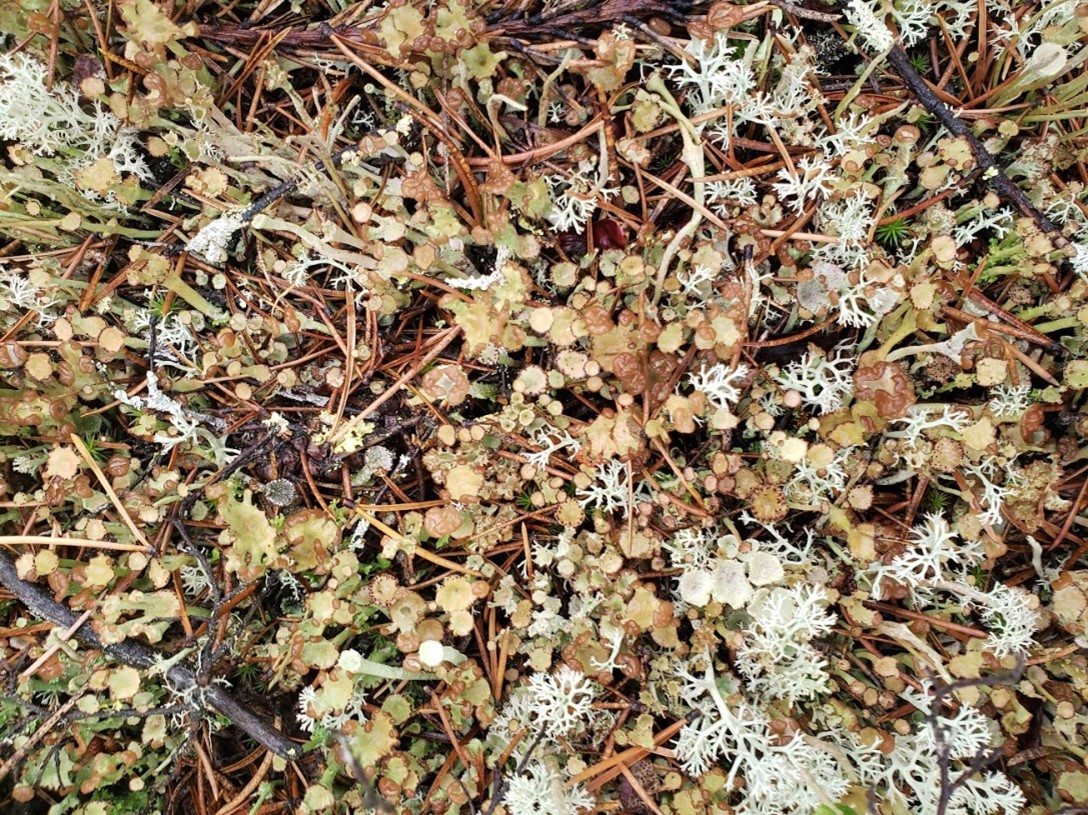
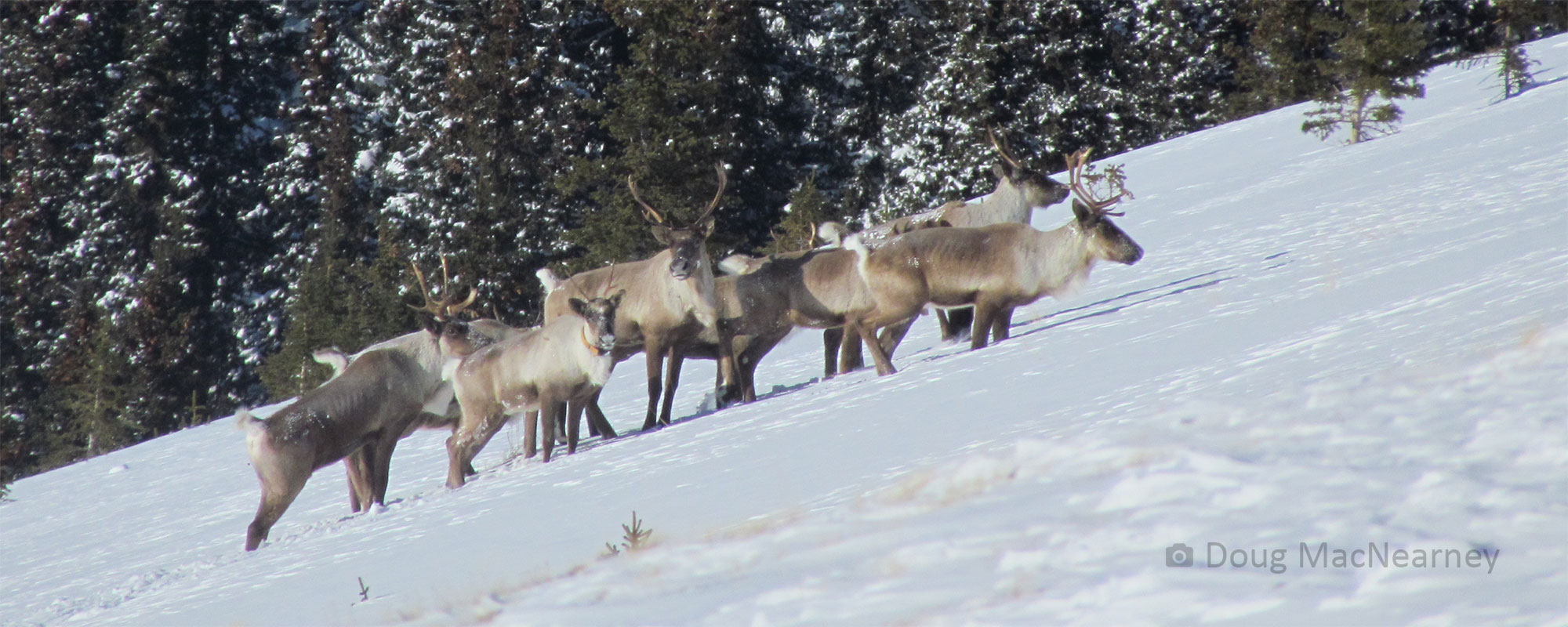
Lichens play a vital role in many ecosystems, and terrestrial lichens are a key food source for endangered woodland caribou during the winter when other food sources are limited. Forest fires can be devastating to terrestrial lichen populations, so the increasing fire regimes Canada is facing due to climate change poses a particular threat to woodland caribou and the lichens they rely upon.
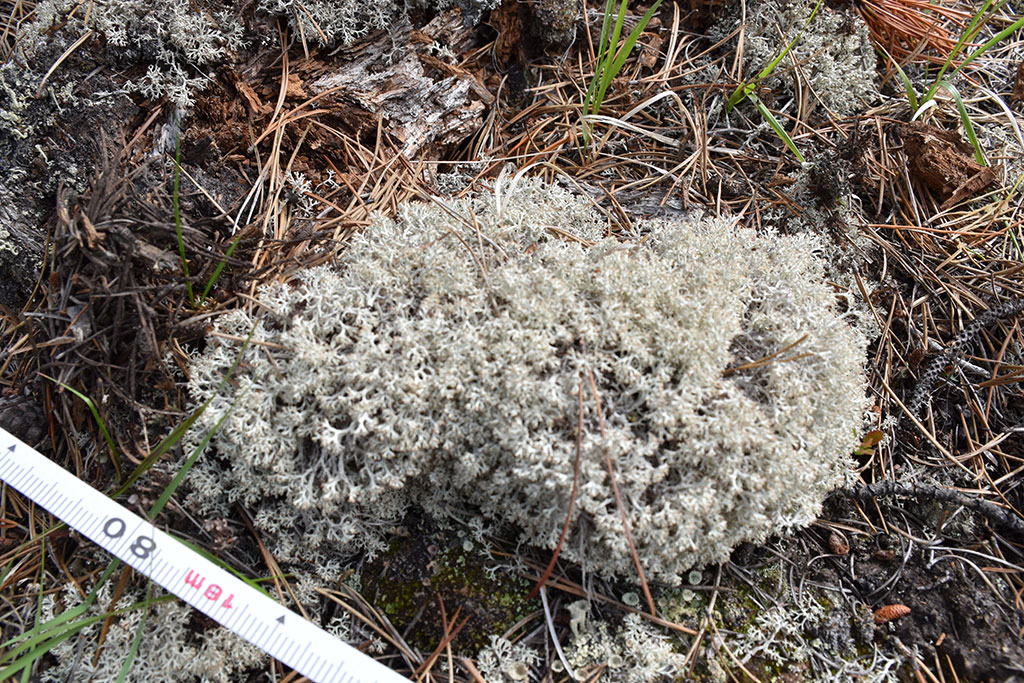
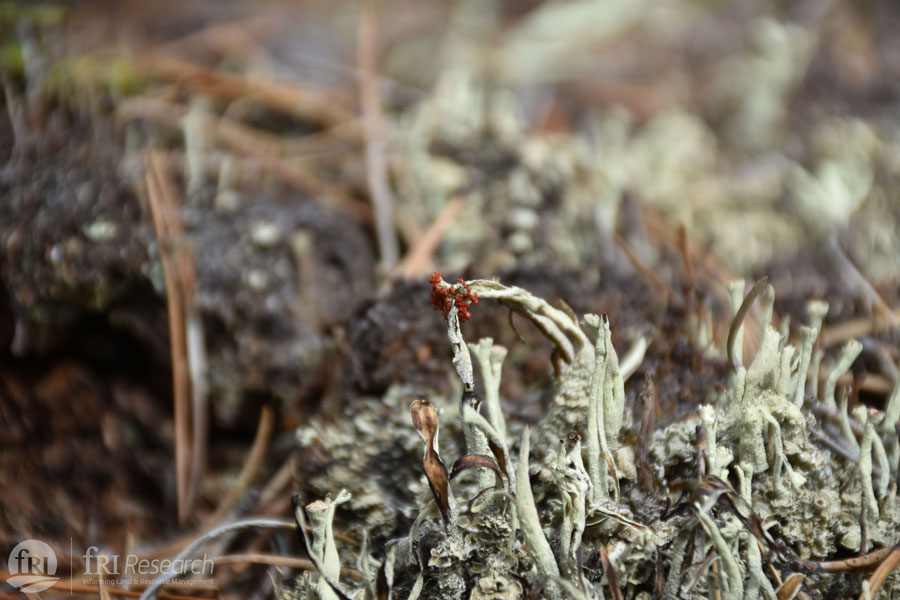
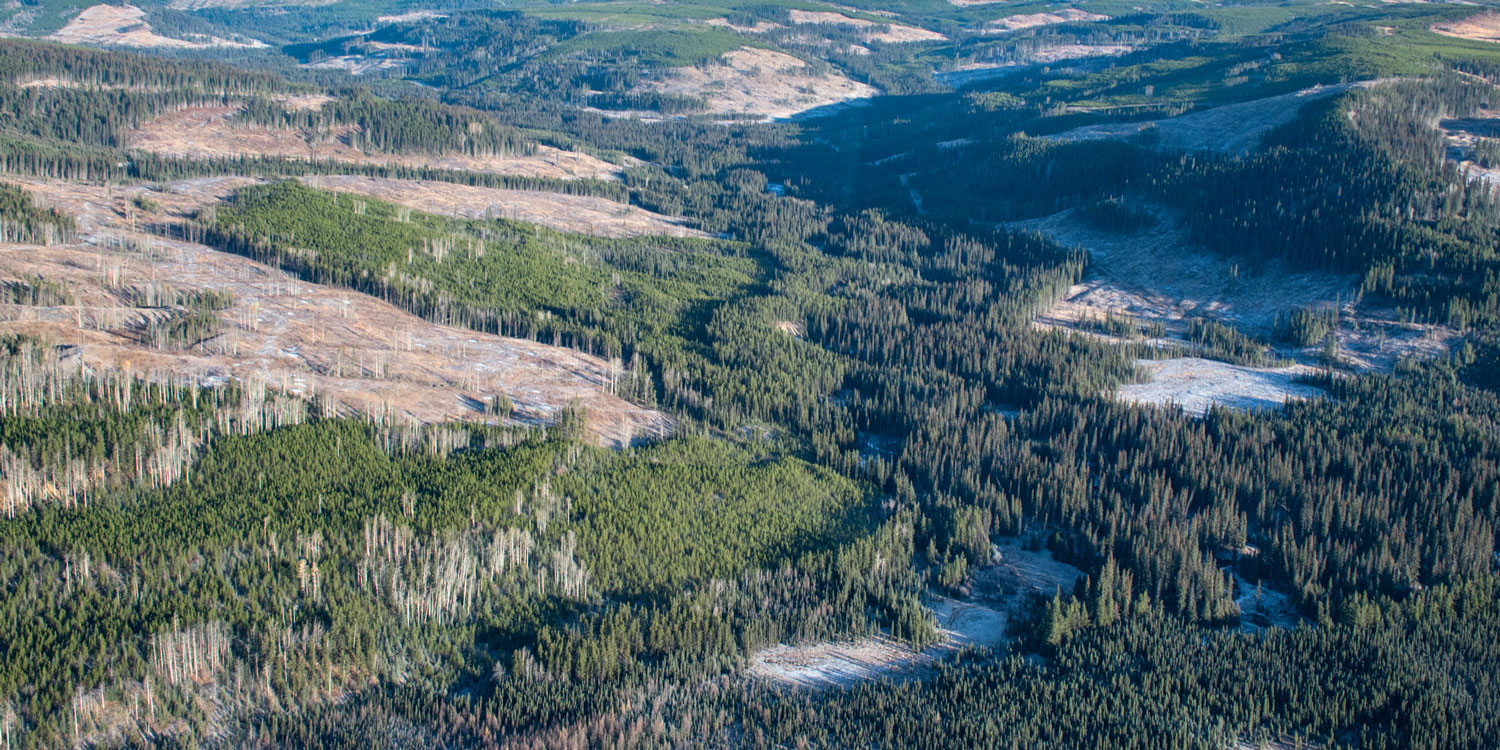
Historical lichen transplantation studies in burned areas provide a unique opportunity to observe long-term community changes, providing key information on the potential of mitigating damage to woodland caribou food sources due to fire. This presentation will review findings from the reassessments of two historic reindeer lichen transplant studies in burned sites in British Columbia. One was established in northern British Columbia nine years ago and included the transplantation of C. mitis, C. rangiferina, and C. uncialis using three methods: mat, fragment, and hybrid. The other was the Tweedsmuir project initiated in west-central British Columbia, exploring three different techniques for transplanting fragments by hand and by air.
Our results indicate promising long-term viability of the transplants regardless of the technique used, with healthy lichen regrowth observed in most treatment plots, with little to no growth occurring in controls. This indicates that transplanting reindeer lichens in appropriate burned habitats has strong potential for mitigating damage to woodland caribou habitat.
Bio

Michael J. Schulz, M.Sc., P.Biol. is the Research Chair for Environment and Sustainability and instructor in the Environmental Technologist Diploma Program at Portage College. Michael’s Master’s research focused on fungal ecology and biodiversity, and he continues to work with fungi, including teaching mushroom courses and assigning conservation ranks for the macrofungi of Alberta and Saskatchewan as part of the federal government’s 2020 and 2025 Wild Species Reports. The majority of Michael’s professional work has included rare plant surveys, plant and lichen identifications, and wetland and ecosystem mapping. Michael’s current research is focused on new techniques, ecological requirements, and historic efficacy of transplanting ground lichens for caribou habitat restoration, with partners at the NAIT Centre for Boreal Research.