
Abstract
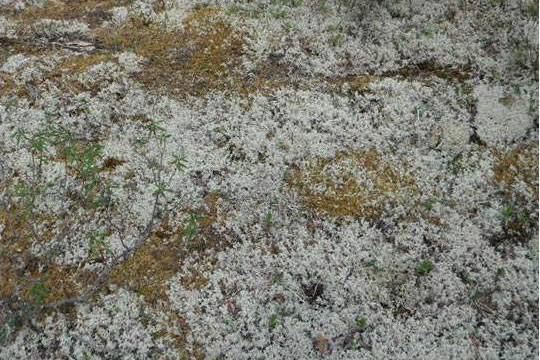
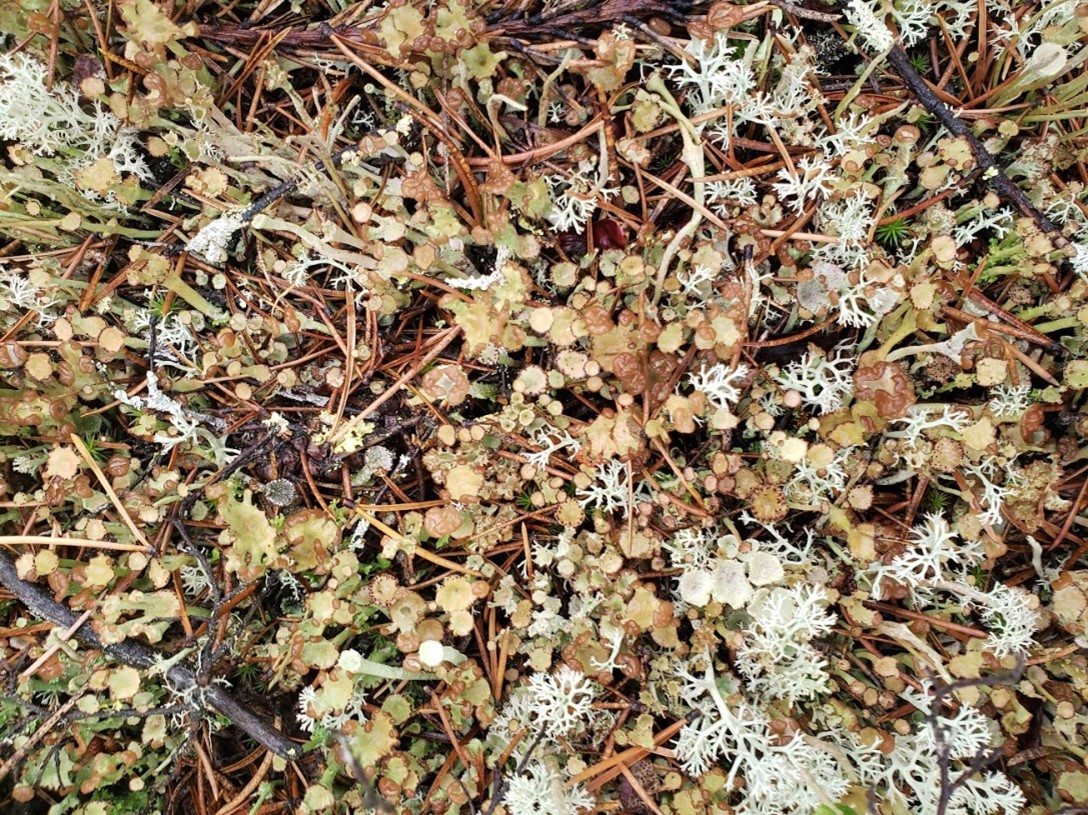
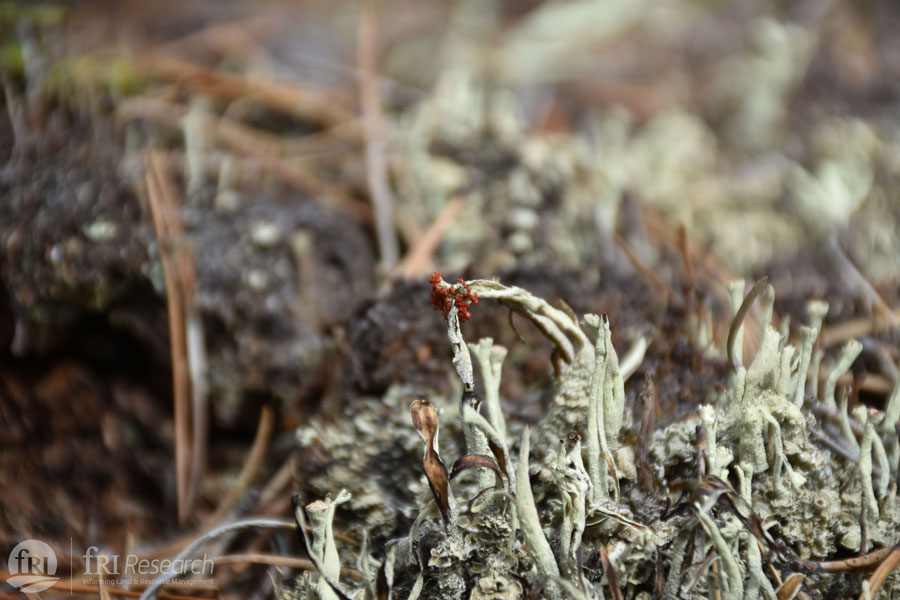
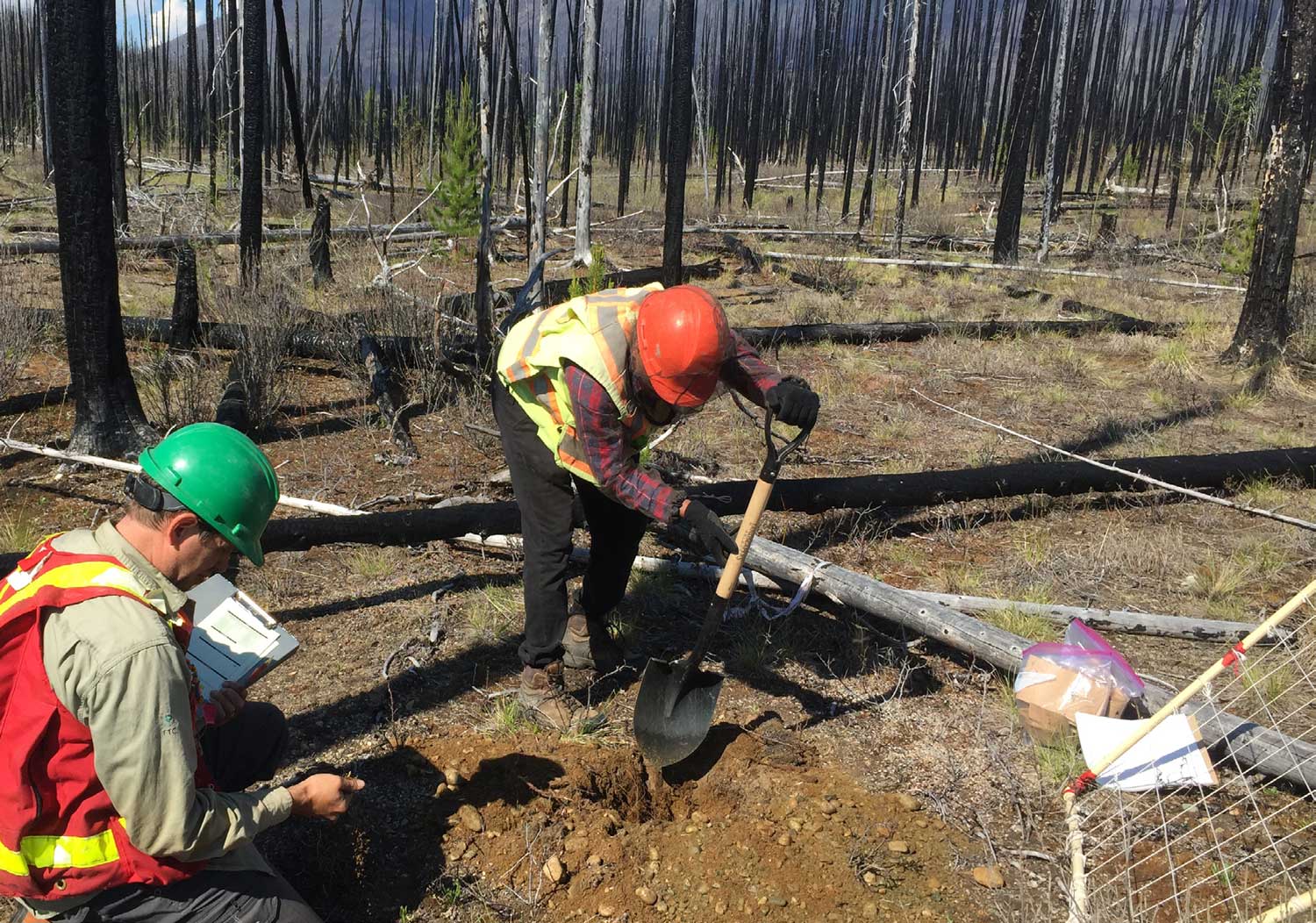
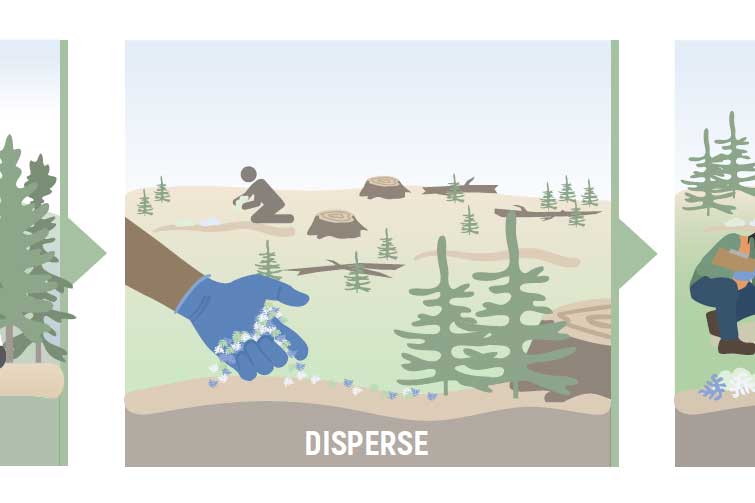
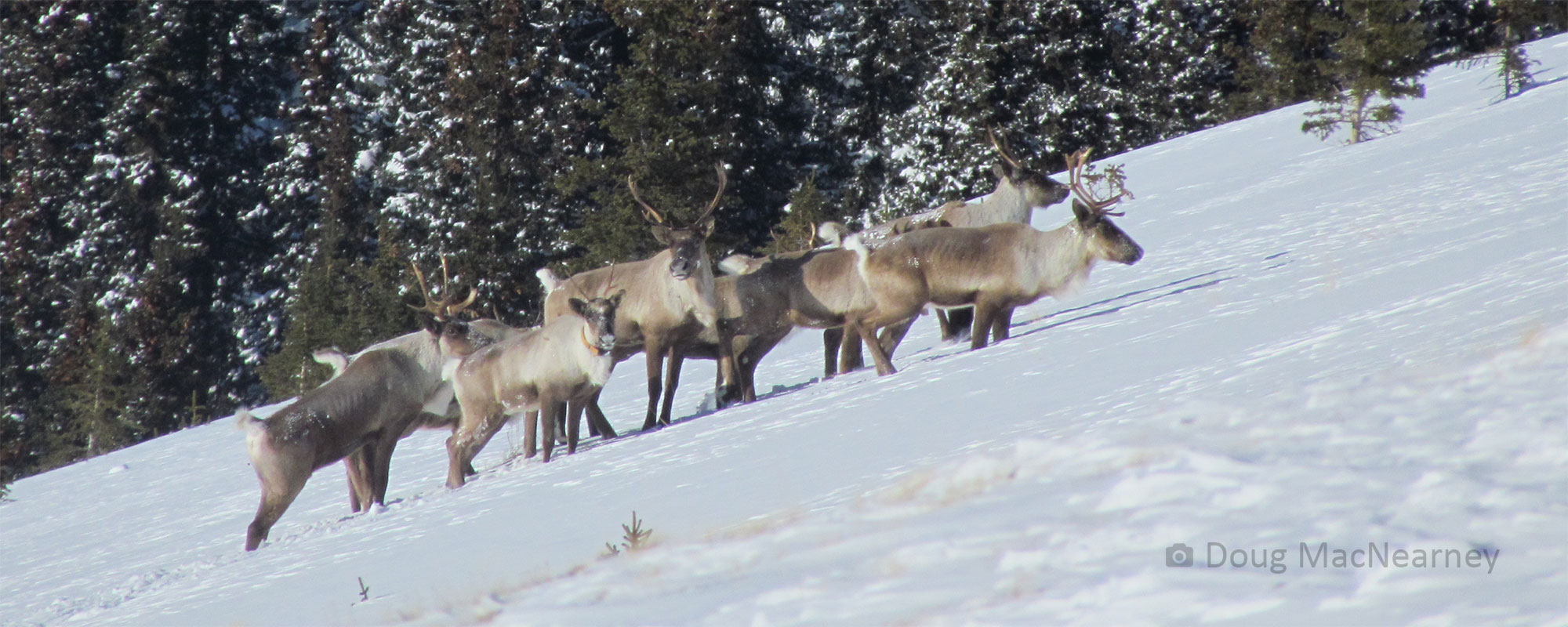
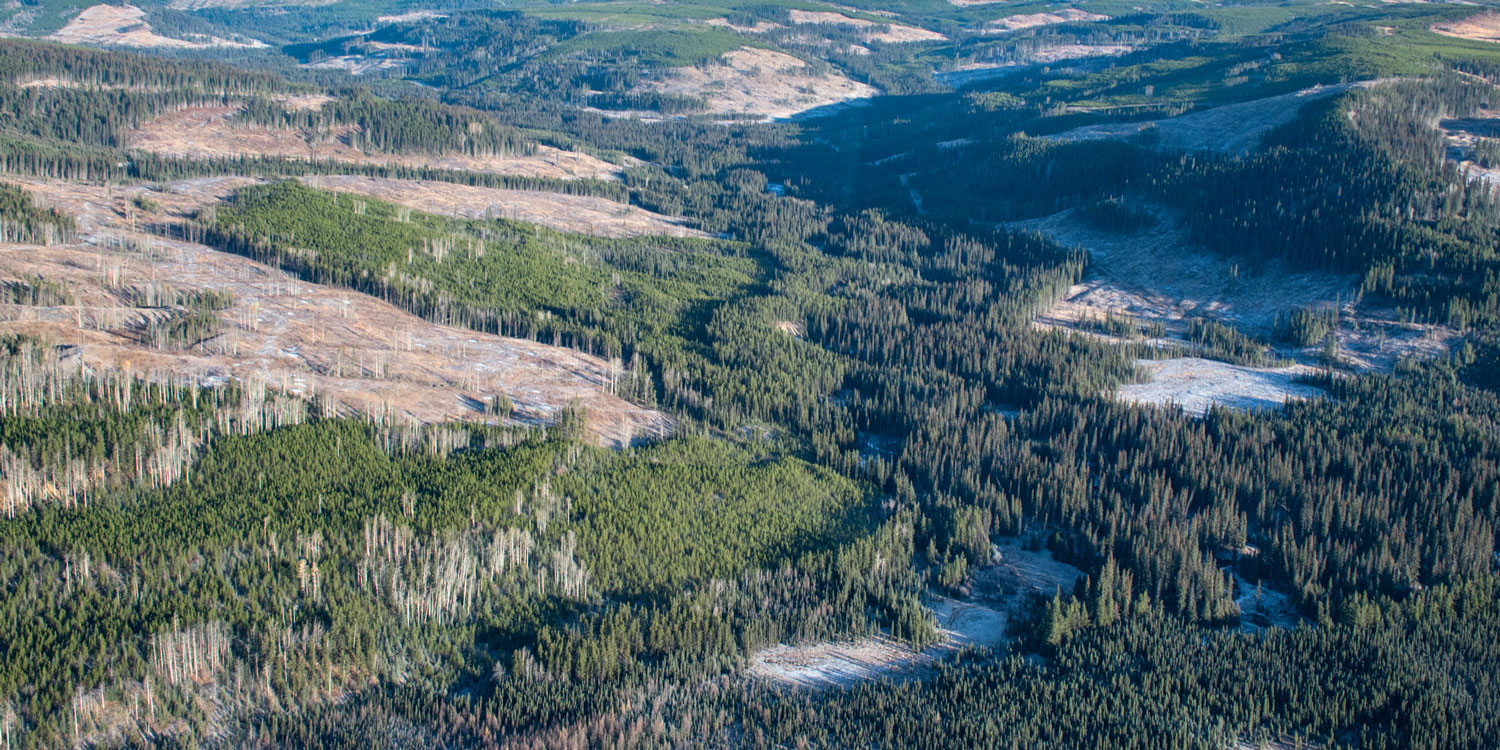
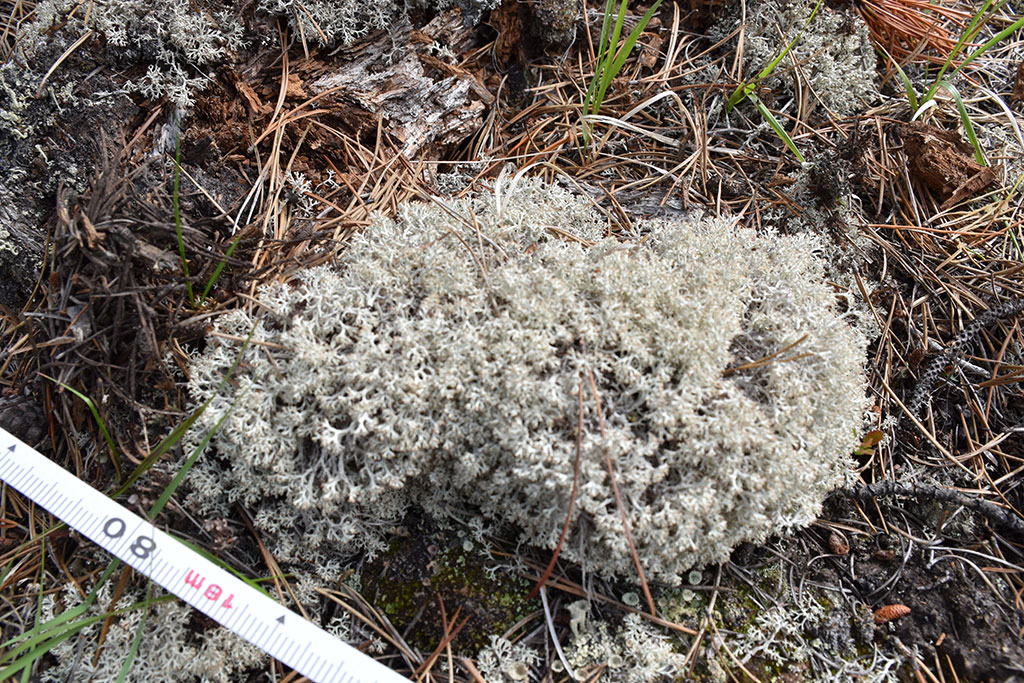
Terrestrial lichens, particularly reindeer lichens (Cladonia spp.), are critical components of boreal forest ecosystems and an essential food source for caribou and reindeer. However, habitat disturbance, slow lichen growth, and limited natural dispersal impede the recovery of these lichen communities. This study investigates the viability of reindeer lichen fragment transplantation as a method for habitat restoration in harvested blocks in boreal Alberta. Specifically, we assessed the influence of substrate type (soil, moss, pine needles, and woody debris) and fragment size (small, medium, and large) on the survival and health of transplanted terrestrial lichen fragments in small plot levels. Chlorophyll fluorescence analysis (Fv/Fm) was used to evaluate the health and survival of lichen fragments over three years. Results indicated that larger lichen fragments exhibited significantly higher survival rates than small ones. Lichens grown on moss had significantly lower Fv/Fm values than those grown on soil or pine needles, although mean values were all within a healthy range. Species-specific responses demonstrated that Cladonia stygia. C. stellaris, C. uncialis,and Stereocaulon tomentosum had significantly different Fv/Fm values with different fragment sizes and/or substrates, while the most common species, C. arbuscula ssp. mitis and C. rangiferina, did not. Overall survival differed by species but was similar between the two years of the study, which may indicate that some species are more effective at transplanting than others. Additionally, moss and forb cover were negatively associated with lichen health, suggesting that these species may either indicate poorer lichen growth conditions or compete with lichen fragments. These findings underscore the significance of substrate selection and fragment size in reindeer lichen restoration efforts, offering valuable insights into strategies for restoring lichen communities in disturbed boreal forest habitats.
Presenter Bios
Dr. Jean-Marie Sobze is NAIT’s Business Development Lead and a Registered Professional Forester with more than twenty years of experience in operational forestry, applied research, and industry collaboration. As an Applied Research Chair at NAIT’s Centre for Boreal Research, he has designed and led impactful projects that advance Indigenous-led environmental enterprises, improve native seed technologies, and build capacity among practitioners and community members. His work has supported the development of land-based training programs and reforestation initiatives that integrate traditional knowledge with scientific research. Jean-Marie has also worked extensively with resource development companies and Indigenous Nations across the boreal forest regions of Alberta, British Columbia, and the Northwest Territories.
Duoduo Wang is currently a research associate in the Centre of Boreal Research at NAIT, leading projects about lichen transplantation, seed-based reclamation, native plant propagation, and seedling stock improvement. She completed her Ph.D. and MSc in plant science at the University of Manitoba.