Abstract
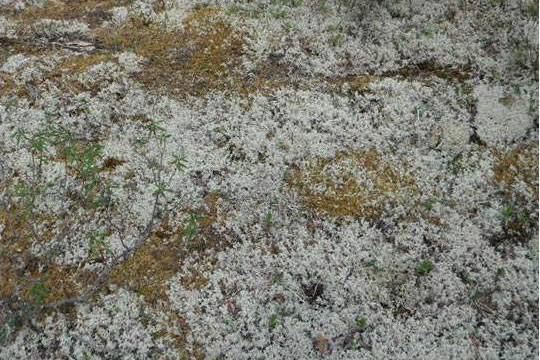
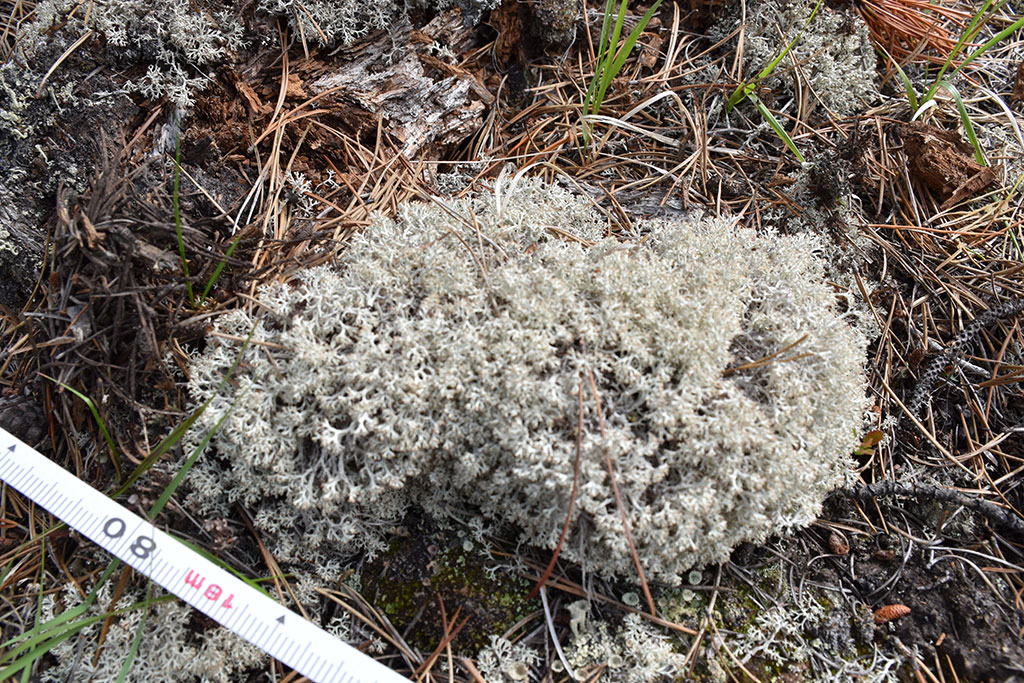
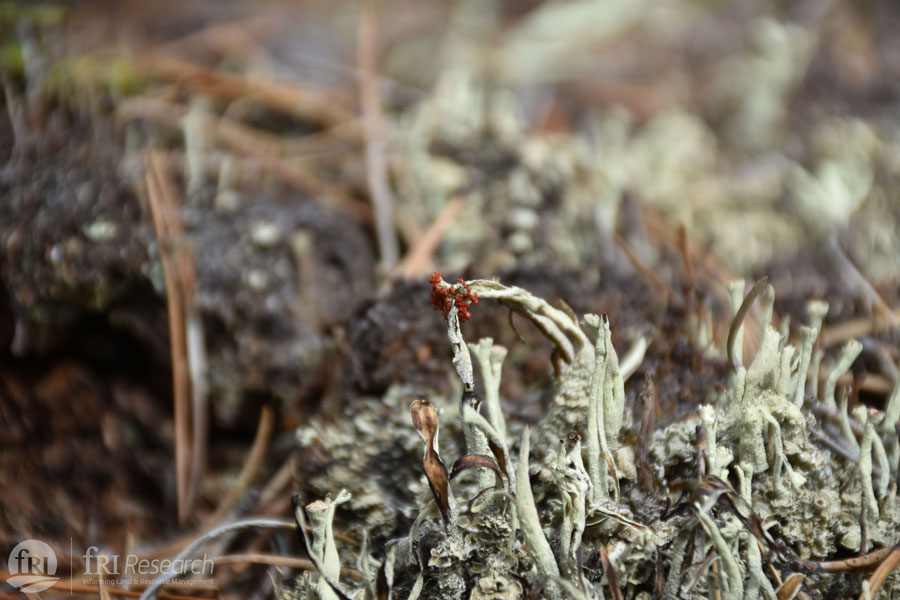
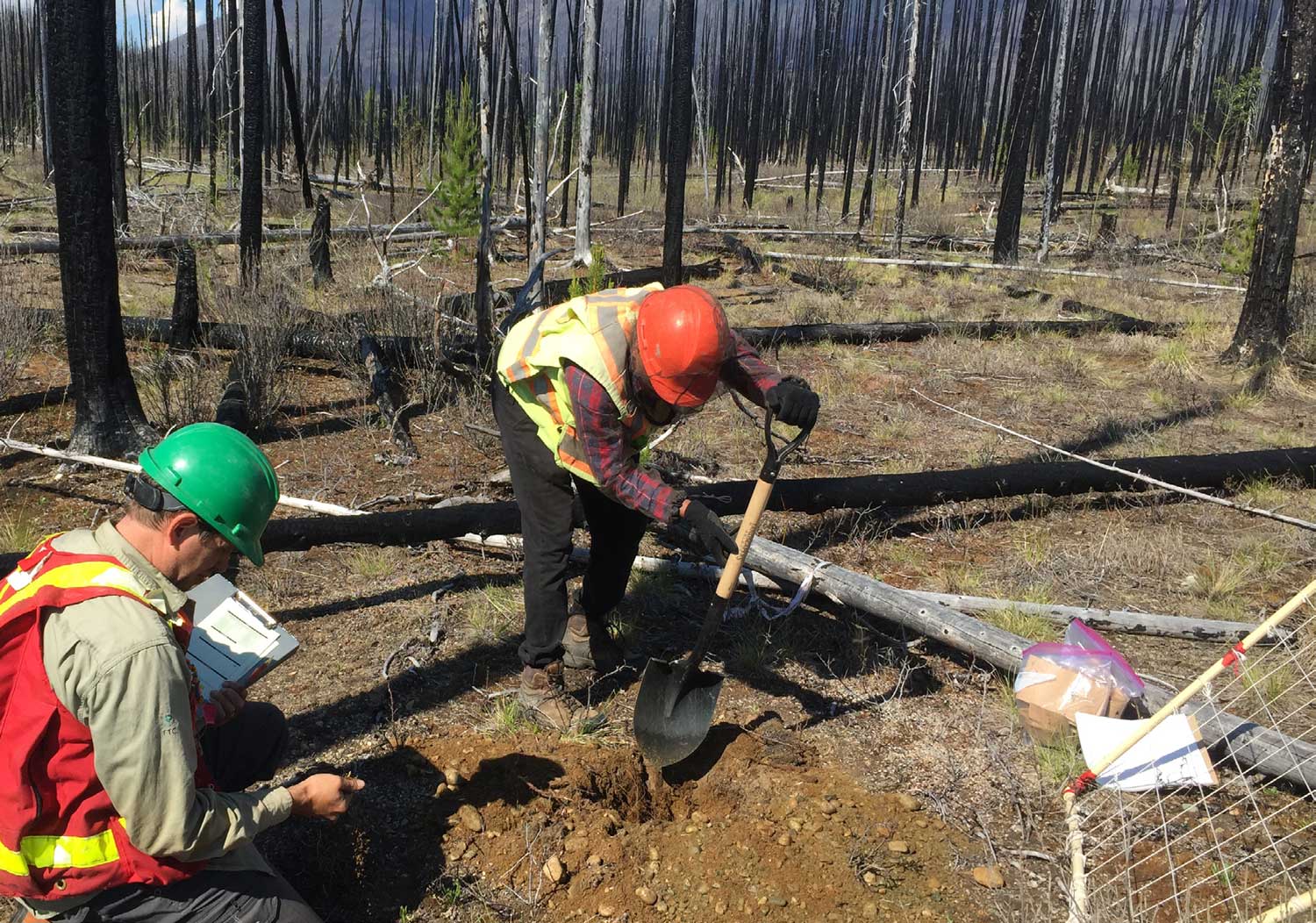
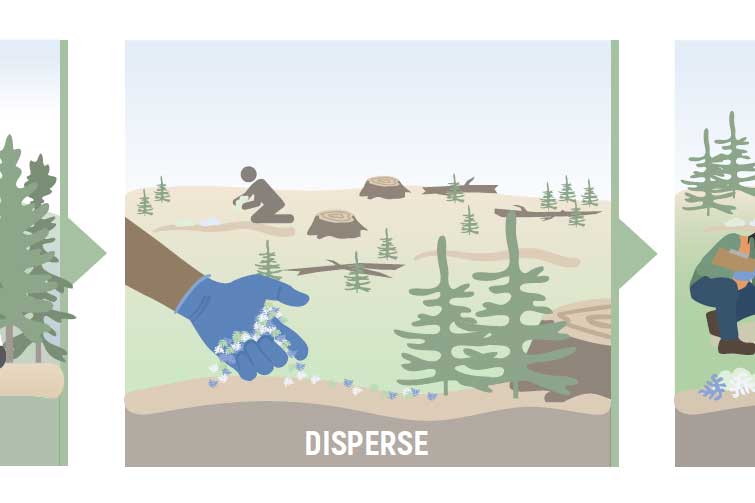
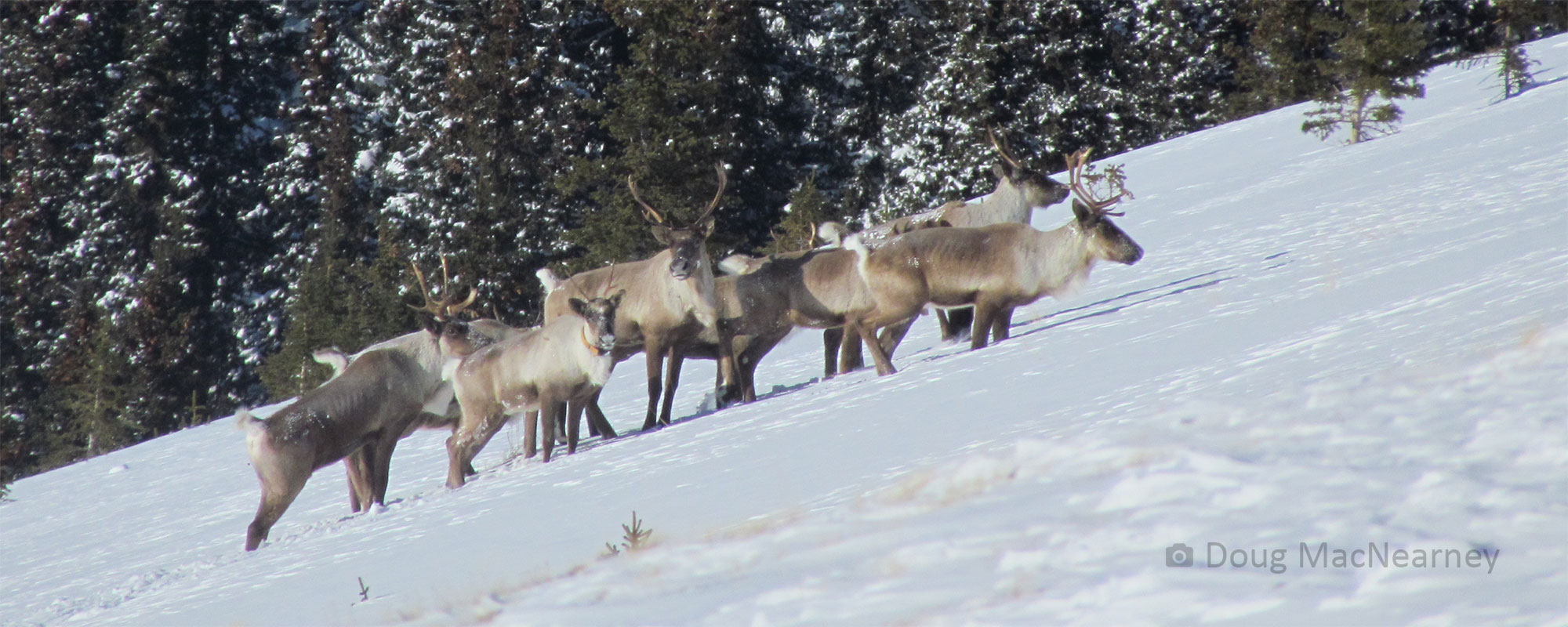
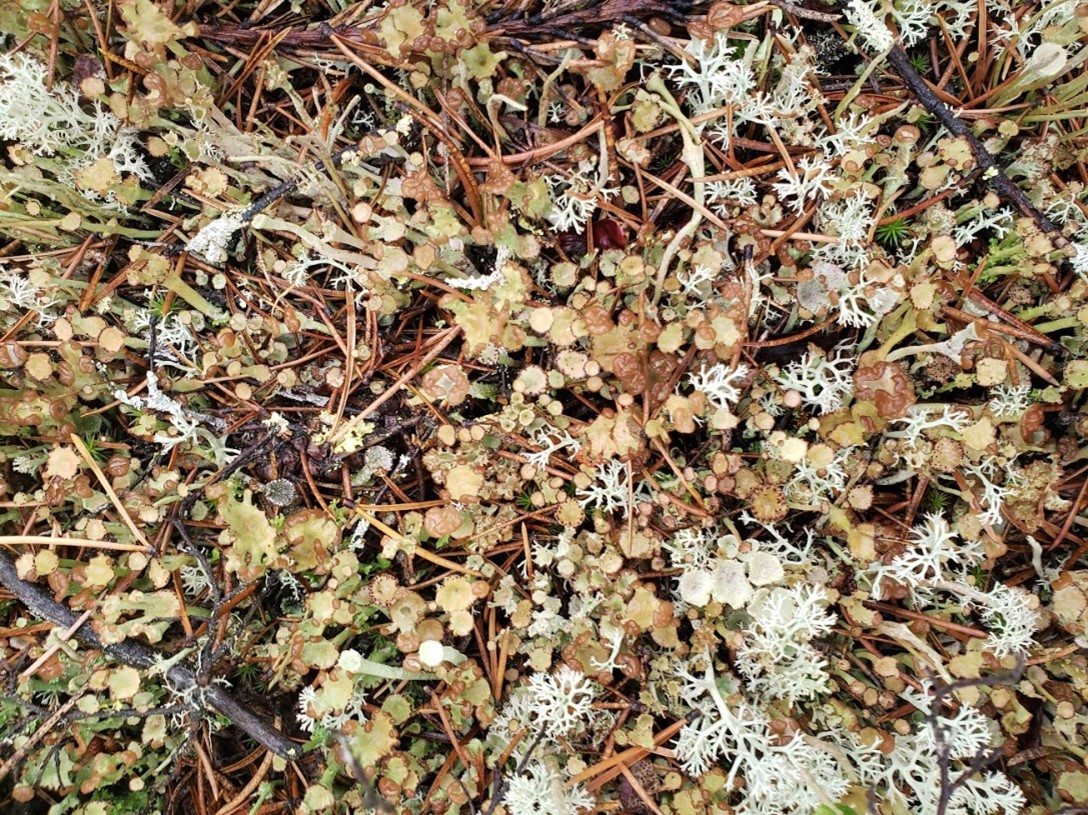
Lichens are crucial components of many ecosystems and serve as a key winter food source for caribou (Rangifer tarandus). However, in forest harvest area reclamation, the focus tends to be on replanting trees and shrubs, often overlooking lichens due to their small size, slow growth, and limited understanding of their growth and dispersal requirements. Historical lichen transplantation sites offer a unique opportunity to observe long-term community changes that shorter field trials may not capture. In this webinar, we will show the results in assessing lichen cover, lichen dispersal, vegetation percentage cover in the experimental plots, and ecological site information in a 24-year lichen transplantation trial within harvested pine blocks. We will discuss the effect of different lichen transplanting techniques and lichen species on lichen covers assessed in 2016 and 2024, as well as the extent of lichen dispersal beyond the experimental units in 2024. Our study also includes the relationship between lichen species cover and vegetation cover or other site characteristics.
Presenter
Duoduo Wang is currently a research associate in the Centre of Boreal Research at NAIT, leading projects about lichen transplantation, seed pelleting, and seedling stock quality improvement. She completed her Ph.D. and MSc in plant science at the University of Manitoba.