Abstract
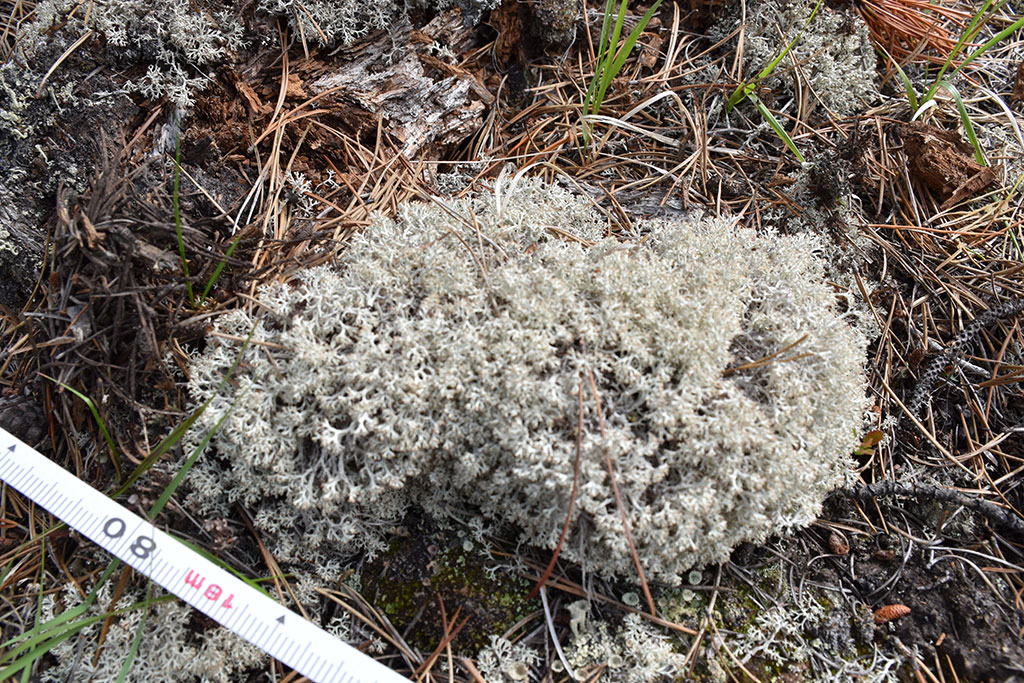
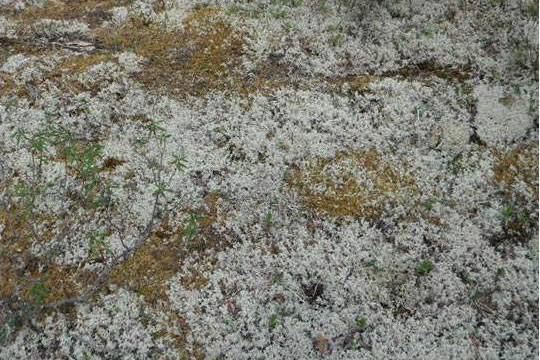
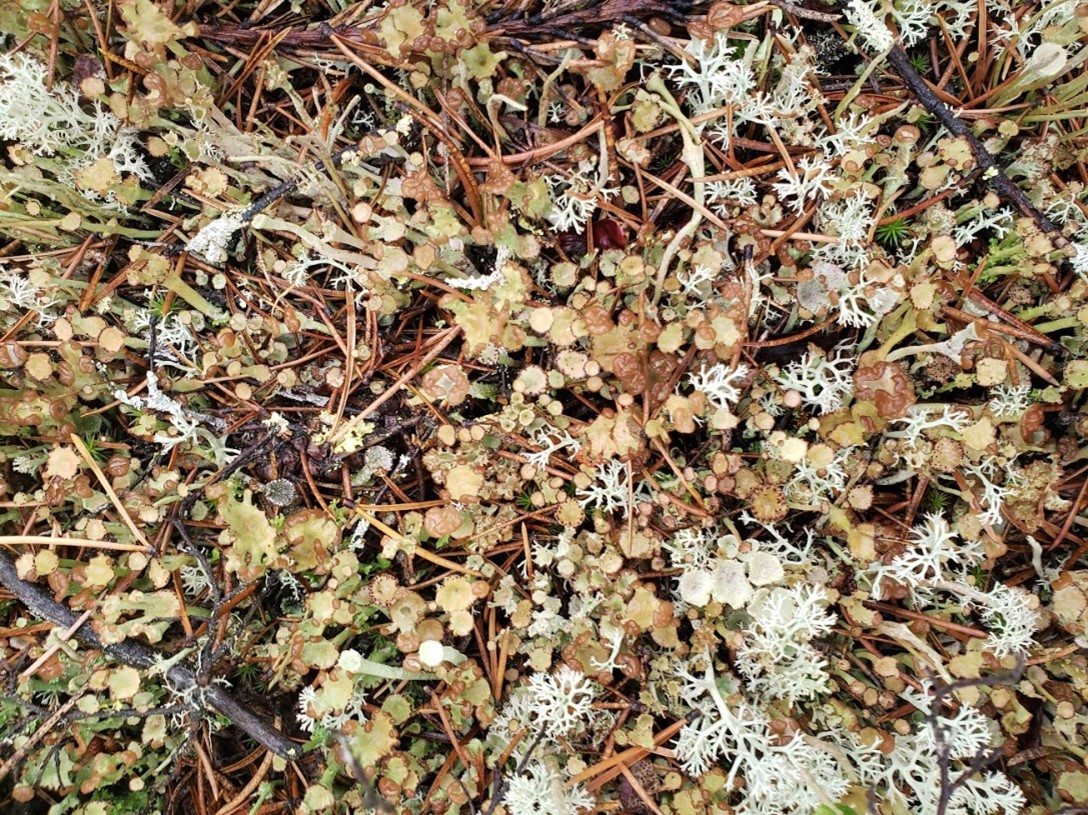
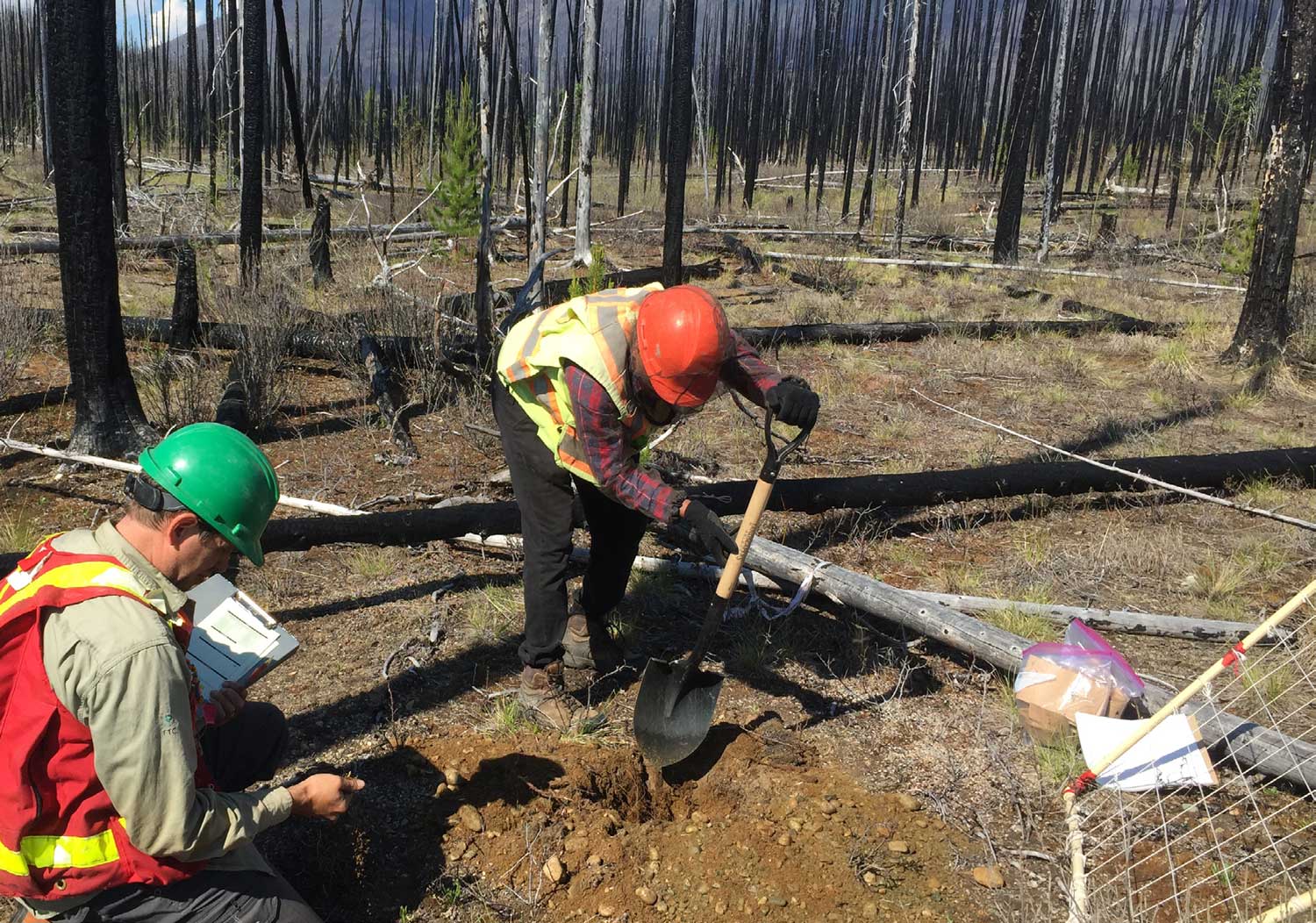
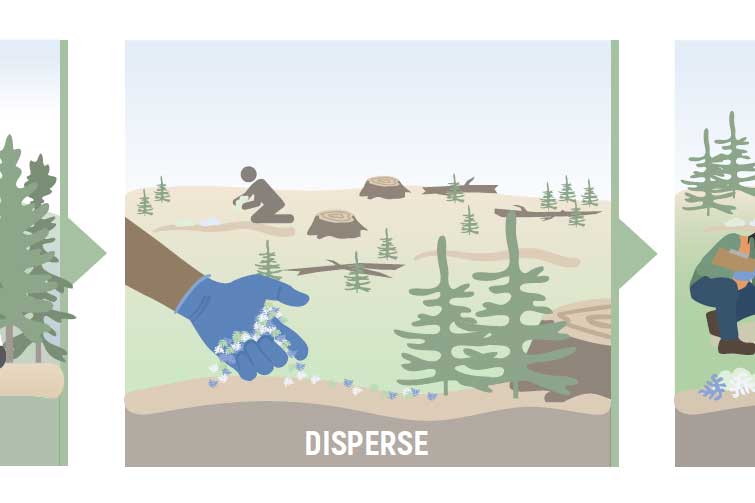
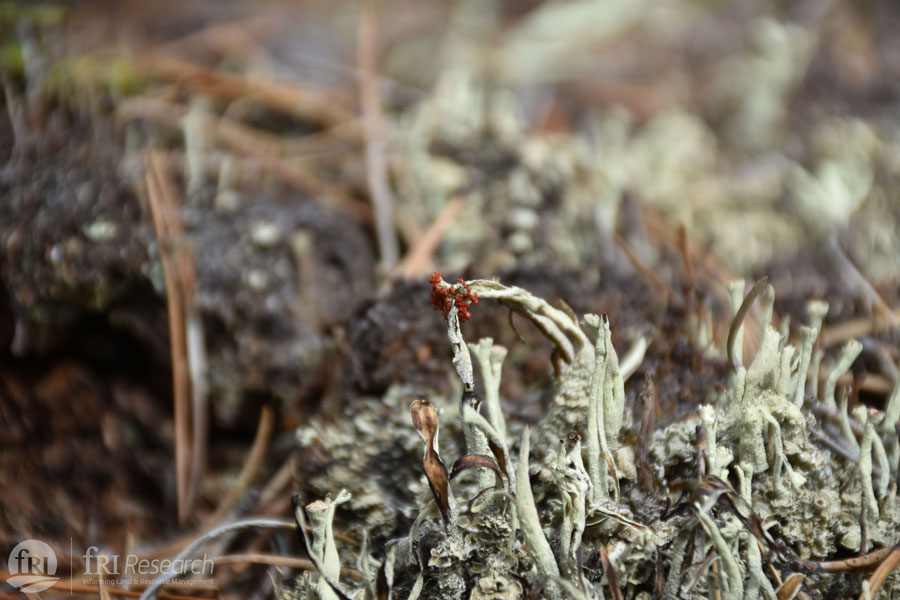
Lichens are important components in ecosystems but have traditionally been neglected in reclamation efforts. There is little information regarding the best methods of transplanting lichens and long-term greenhouse studies are currently lacking. In a greenhouse environment, we investigated the effects of substrate (mineral soil, moss, pine needles, and wood) and fragment size (large, medium, and small) on the growth of terrestrial lichens commonly found in boreal ecosystems. Lichens were assessed for dry biomass and length over 16 months, and chlorophyll fluorescence measurements (Fv/Fm) were used to determine health and survival. Lichens on the wood substrate had the lowest survival at the end of the experiment, and lichens on moss had the highest reductions in both length and biomass. Smaller fragments were less likely to fragment, but their photosynthetic health was dependent on species and substrates. Greenhouse studies offer valuable insights on potential options for propagating and transplanting lichens, which may help to restore ecosystem structure and function on disturbed lands. In this presentation, we will also summarize our findings from our field studies and highlight the important conclusions from our series of lichen studies conducted in the past 4 years.
Presenters
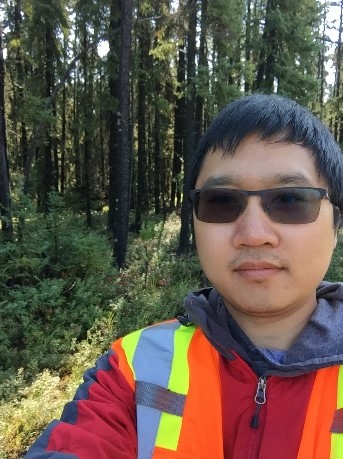
Ricky Kong, Ph.D., P.Biol. is the Program Manager for Research Extension and Education at the Northern Alberta Institute of Technology (NAIT) Centre for Boreal Research (CBR) in Peace River. He received his Ph.D. at The University of Western Ontario, where he investigated plant growth and physiological responses under abiotic stress (e.g., nutrient deficiencies, drought, freezing). At NAIT, he has worked on restoring forest cut blocks using lichen transplants. He is currently working with Indigenous communities to build capacity in seed collection and environmental monitoring.

Michael J. Schulz, M.Sc., P.Biol. is the Research Chair for Environment and Sustainability and instructor in the Environmental Technologist Diploma Program at Portage College. Michael’s Master’s research focused on fungal ecology and biodiversity, and he continues to work with fungi, including teaching mushroom courses and assigning conservation ranks for the macrofungi of Alberta and Saskatchewan as part of the federal government’s 2020 and 2025 Wild Species Reports. The majority of Michael’s professional work has included rare plant surveys, plant and lichen identifications, and wetland and ecosystem mapping. Michael’s current research is focused on new techniques, ecological requirements, and historic efficacy of transplanting ground lichens for caribou habitat restoration, with partners at the NAIT Centre for Boreal Research.