
Abstract
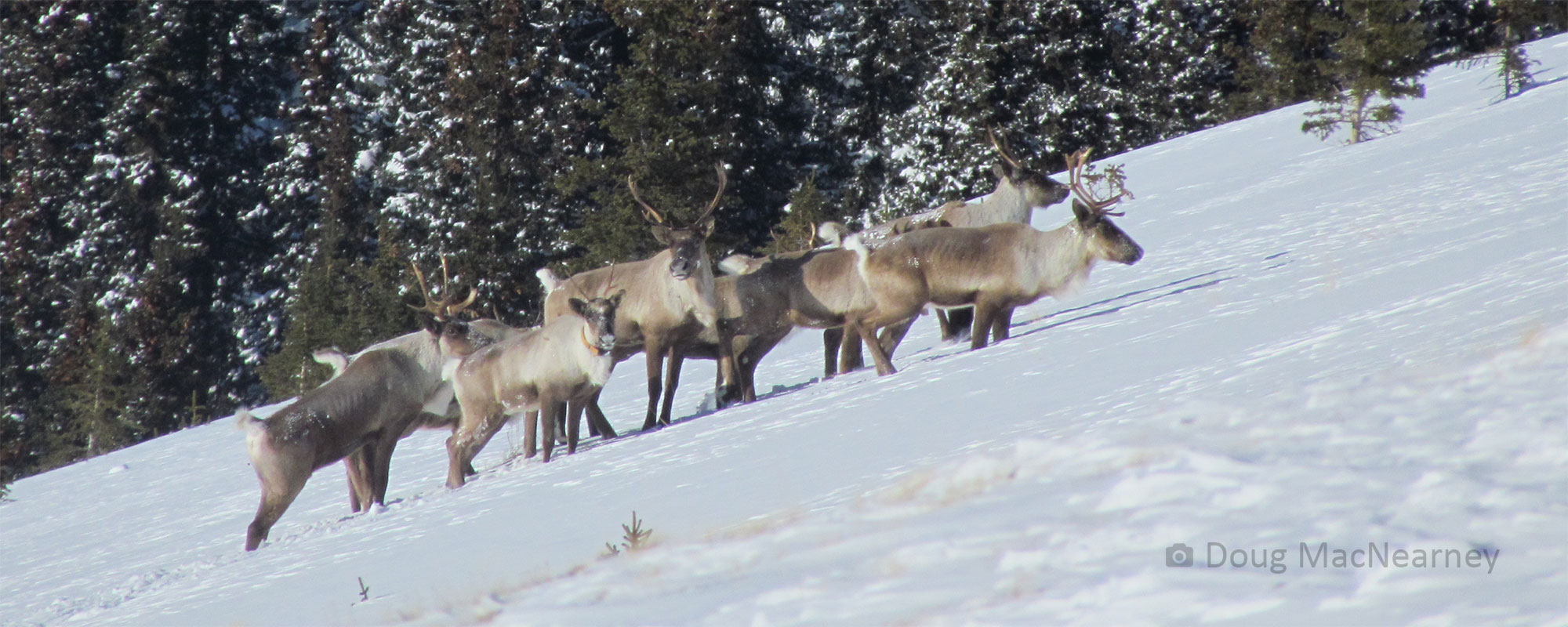
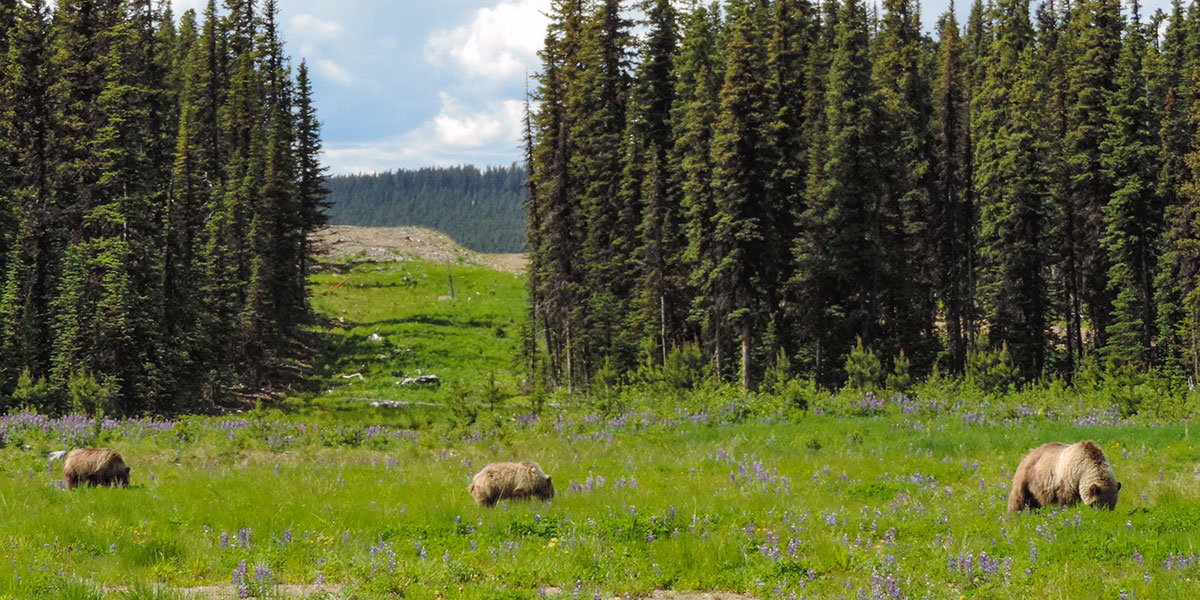
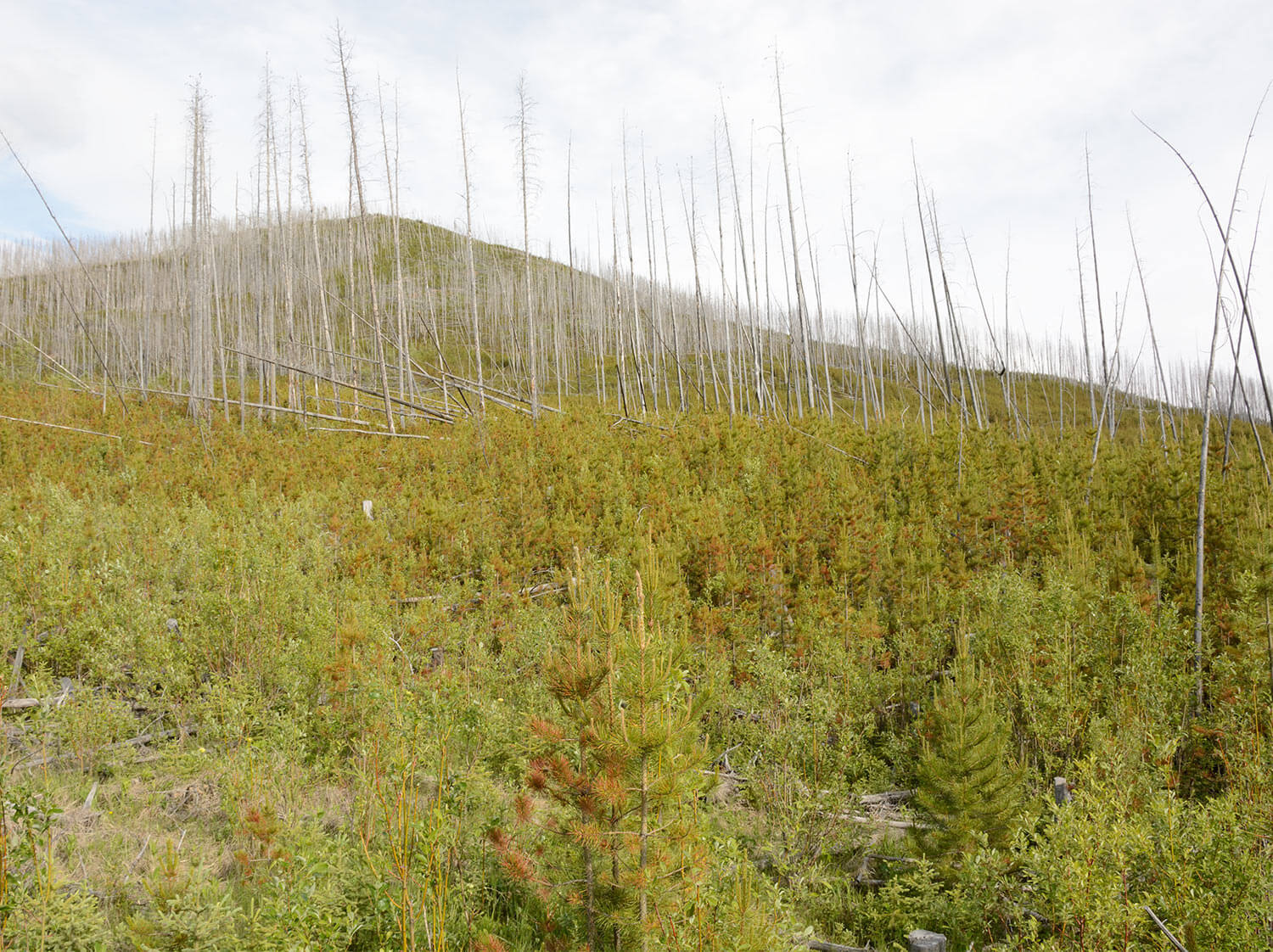
In this webinar the research team will discuss the fine-scale forest attributes that characterize caribou habitat and describe where and when timber harvest differs from wildfire and areas used by caribou for multiple stand characteristics in multiple NSRs across Alberta. We will highlight associations between stand characteristics and availability of forage for caribou, moose, and bear. Finally, we will provide results for future projections of stand characteristics and forage for timber harvested and burned stands with comparisons to the stands used by caribou and how this relates to a forestry and forest policy context.
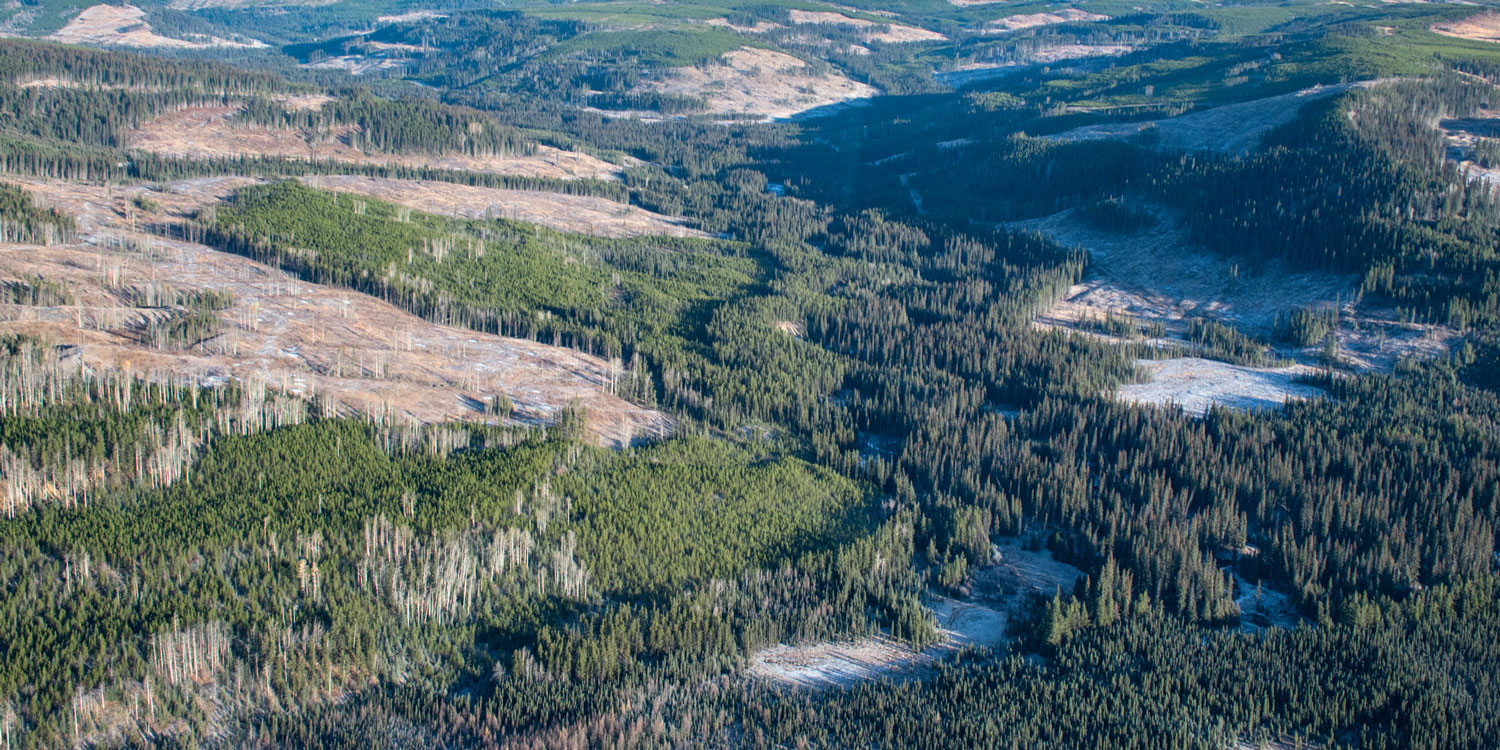
Declines of woodland caribou populations are caused by landscape changes that convert mature forests to early seral stands, resulting in habitat loss for caribou, abundant forage for primary prey species, and increased predation risk for caribou via apparent competition. Long-term solutions for caribou conservation will require habitat restoration and adaptive management. Within managed forests, current reforestation strategies as well as future timber harvesting systems and silviculture practices could influence the timeline and effectiveness of re-establishing functional caribou habitat. Differences in forest stand characteristics and habitat attributes between natural disturbances and harvest disturbances may also influence availability of current and future woodland caribou habitat. Adaptive forest management has the potential to contribute towards caribou recovery and could help maintain caribou across the boreal forest in the uncertain face of climate change.
The purpose of this project is to provide the forest sector with information that could be used to implement forest management strategies that benefit caribou across Alberta. Specifically, we evaluated the fine-scale attributes of forest stands used by caribou and compared those attributes to stands disturbed by wildfire and harvest.
Presenter
Dr. Ian Best is currently a postdoctoral research fellow at the University of Saskatchewan. Before relocating to Saskatoon, Ian was a postdoc at the University of Northern British Columbia where he collaborated with fRI Research to work on the ARCKP project “Study to advance harvest system and silviculture practices for improved woodland caribou and fibre outcomes.” Ian has broad research interests, which include behavioral ecology, zoology, animal behavior, wildlife conservation, and agronomy. Ian is originally from Toronto, Ontario, and he completed his BSc in biology at the University of Guelph. His love for travel took him abroad where he completed his MSc in animal ecology at Lund University in Sweden, and his PhD in wildlife ecology at Academia Sinica/ National Taiwan Normal University in Taiwan. Ian is continuing to investigate the impacts of natural and anthropogenic disturbances on habitat and fitness of boreal caribou across Canada.
Find more ARCKP webinars here.